
Small, repeatable habits that tell your day it's done — inspired by calm, uncluttered living.
Get StartedWhen you do the same things at roughly the same time each evening, your brain starts to expect what's next. No special training needed — just repetition.
A regular bedtime routine is one of many habits people use to mark the end of the day. What matters most is doing it consistently, even if it's short.
Life gets in the way sometimes — a late dinner, a phone call, a child who needs you. That's normal. Just pick up your routine again the next night without beating yourself up.
Start with two or three things you actually enjoy. If reading feels like a chore, try stretching. If journaling feels too formal, jot down a quick to-do list for tomorrow.
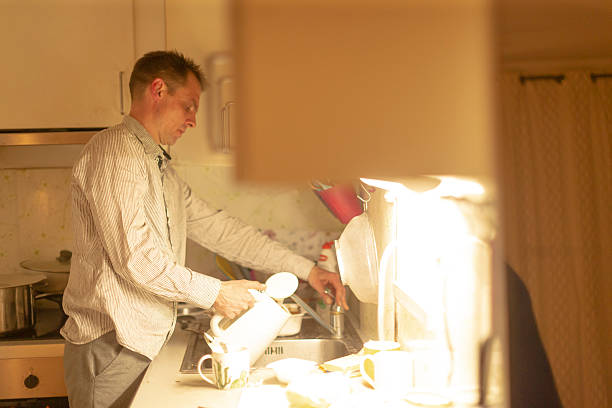
Dim the main lights about an hour before bed. Warm bedside lamps feel softer than overhead bulbs. Curtains or an eye mask help if street lights are bright — common in parts of Christchurch.
A slightly cool room — around 16–19 °C — feels comfortable for many people. Layer your bedding so you can adjust without getting up. A light throw on top of the duvet works well through Canterbury's changing seasons.
Silence is ideal but not always available. White noise machines, fan hum, or low-volume nature recordings can mask intermittent sounds. If you share a bed, discuss preferences openly — one person's silence is another person's anxiety.
Phones, tablets, and TVs are bright and stimulating. The light can keep you feeling alert, and scrolling news or social media keeps your mind busy when you're trying to slow down.
Try a "digital sunset" — pick a time after which screens go off or switch to night mode. That helps, but putting the phone in another room is even better.
Swap screen time for a book, sketch pad, knitting, or a chat with someone at home. If your phone is your alarm, a simple bedside clock removes the excuse to keep it next to you.
Busy thoughts at bedtime often come from unfinished tasks or worries about tomorrow. Writing them down gets them out of your head and onto paper.
Try a five-minute "brain dump": list tomorrow's to-dos, anything still on your mind, random ideas — no editing. Close the notebook when you're done. That small act can feel like drawing a line under the day.
Gratitude notes work too, but keep it simple. One or two specific things — "sun on the hills" or "a good chat at lunch" — beat a forced list of ten.
Any paper will do. A fancy journal isn't required — consistency matters more than the notebook.
| Date | Event | Location |
|---|---|---|
| 8 August 2026 | Building Your Evening Ritual — group session | Merivale Community Centre |
| 22 August 2026 | Digital Sunset Workshop | 184 Papanui Road, Merivale |
| 5 September 2026 | Wabi-Sabi Living & Rest — talk and tea | Christchurch Art Gallery |