Simple lifestyle tips for a calmer evening — not medical advice. We don't sell anything, and results vary for everyone.

Relax Your Body Before Bed

Gentle ways to release the tension you've picked up during the day — no experience needed.

Try a Body Scan

Body Scan: Step by Step

A body scan means slowly paying attention to each part of your body, from head to toe. You don't force anything — just notice what's there and let tight spots soften as you breathe.

It's a popular mindfulness exercise that many people use to unwind in the evening. It may help you feel more relaxed, but it's not a replacement for professional care if you need it.
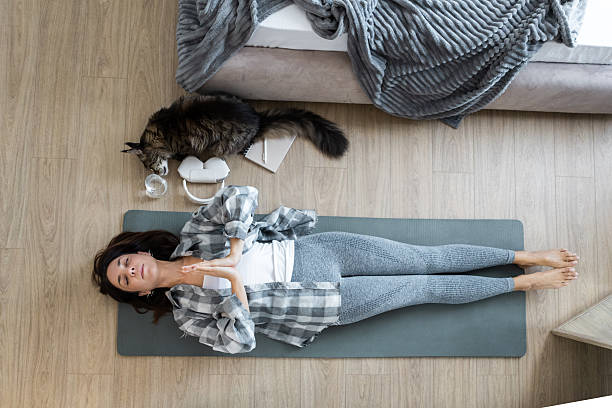
  1. Lie on your back with arms at your sides, palms up. Use a pillow under your knees if that feels more comfortable.
  2. Take three slow breaths, noticing the contact between your body and the mattress.
  3. Bring attention to the top of your head. Notice any sensation. Do not try to change it.
  4. Move slowly downward: forehead, eyes, jaw, neck, shoulders, upper arms, forearms, hands, chest, upper back, abdomen, lower back, hips, thighs, calves, feet.
  5. Spend ten to twenty seconds on each area. If your mind wanders, gently return to the body part you were exploring.
  6. When you reach your feet, take three more breaths and notice how your whole body feels.
Restful body relaxation in a serene bedroom
A body scan can be done comfortably in your own bed

Tense and Release (PMR)

Progressive muscle relaxation is based on a simple idea: clench a muscle, then let it go. The contrast helps you notice what relaxed feels like.

It's especially useful if you hold stress in your jaw, shoulders, or hands. A full session covers many muscle groups and takes about fifteen minutes. For evenings, focusing on jaw, shoulders, hands, and legs is often enough.

Short PMR Sequence

  • Hands: Clench fists for 5 seconds, release for 10. Notice the difference.
  • Shoulders: Raise them toward ears, hold, then drop completely.
  • Jaw: Clench gently (not forcefully), then let the mouth fall open slightly.
  • Legs: Point toes toward your face, hold, then let feet fall outward.
  • Whole body: Tense everything briefly, then release completely into the mattress.

Easy Stretches for the Evening

Neck & Shoulder Rolls

Sitting or standing, slowly roll shoulders backward five times, then forward five times. Gently tilt ear toward shoulder on each side, holding for fifteen seconds. Avoid forcing the neck into extreme positions — the movement should feel soothing, not sharp.

Seated Forward Fold

Sit on the edge of the bed, feet flat on the floor. Hinge forward from the hips, letting your arms hang toward the floor. Hold for thirty seconds while breathing slowly. This releases the lower back and hamstrings, which often tighten after sitting at a desk.

Legs Up the Wall

Lie on your back with legs extended up a wall, forming an L-shape. Stay for five to ten minutes. This gentle inversion helps blood flow return from the legs and can reduce the heavy-leg feeling many people experience in the evening.

Pick one or two stretches and combine them with a body scan if you like. Some evenings you'll only manage five minutes — and that's still worth doing.

Room Checklist

  • Temperature between 16–19 °C with breathable bedding
  • Warm, dim lighting during wind-down activities
  • Natural-fibre sheets that feel cool against the skin
  • Minimal background noise or consistent white noise

Make Your Room Comfortable

It's easier to relax in a space that feels good. A cool room — around 16–19 °C — suits many people, though in Christchurch's changeable weather you might want an extra blanket even in summer.

Natural fabrics like cotton and linen feel nice against the skin. Clearing clutter from your bedside can quiet the mind too. If you use a scent, keep it mild — strong smells can be distracting rather than calming.

Small changes often matter more than adding new techniques: a supportive pillow, a clear floor for stretching, and dim enough light to avoid squinting.

Good to Know Before You Start

Do

  • Move slowly and within a comfortable range of motion
  • Stop if you feel sharp pain, numbness, or dizziness
  • Use support (wall, chair, pillow) for balance during standing stretches
  • Keep the floor area clear of obstacles when practising in low light
  • Consult a physiotherapist if you have chronic pain or recent injury

Avoid

  • Forceful stretching that causes pain or holding your breath
  • PMR jaw clenching if you have temporomandibular joint issues
  • Legs-up-the-wall if you have concerns about blood pressure or eye pressure — ask a health professional first
  • Deep forward folds immediately after a large evening meal
  • Practising on a very soft surface that offers no support for the spine